
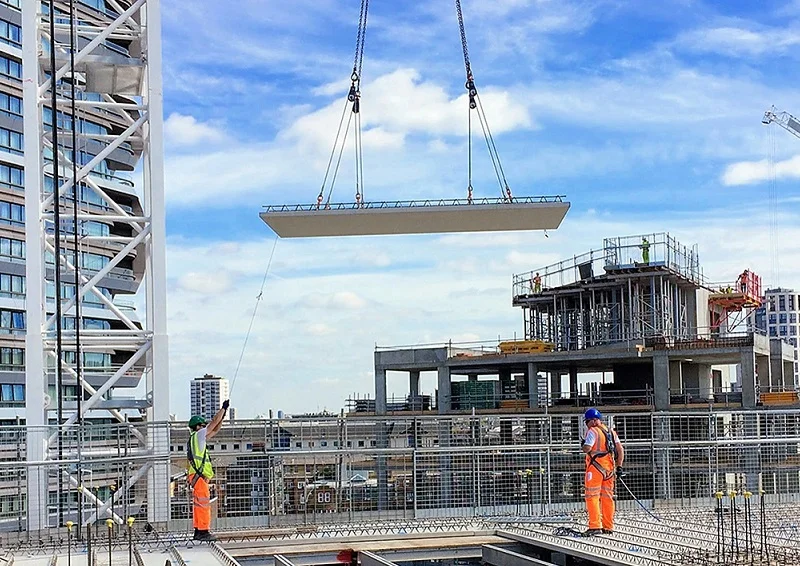
Introduction
One of the most important decisions property investors face is whether to buy off-plan or to stick with completed properties. Both routes can deliver strong returns, but the mechanics, risks, and rewards are very different.
Off-plan property means purchasing at the design or construction stage, often with staged payments before completion. Completed property means buying a home that is already built, with tenants potentially in place from day one.
Neither strategy is inherently better. The choice depends on your goals, time horizon, risk appetite, and cash flow position. This guide breaks down both options, explores their advantages and drawbacks, and shows which type of investor each strategy best suits.
The Case for Off-plan
Lower Entry Costs
Off-plan properties are often launched at competitive prices to attract early buyers. Staged payment plans can spread the financial commitment over months or even years, reducing upfront pressure.
Potential for Capital Growth
Buying before completion gives investors the chance to benefit from price appreciation during the construction period. If the local market grows while the property is being built, the value at handover may be higher than the purchase price.
Modern Specifications
New builds are designed to meet current building regulations and energy standards. They usually require less immediate maintenance and appeal to tenants looking for modern finishes, smart layouts, and energy efficiency.
Customisation Options
Early buyers sometimes get to choose finishes, layouts, or upgrades. This can improve rental appeal and long term value.
Risks to Consider
• Construction delays. Even well managed projects can run late, which postpones rental income.
• Market shifts. If property values fall during the build, buyers may complete on a property worth less than they paid.
• Limited rental history. With no track record, investors must rely on projections rather than proven performance.
• Tied-up capital. Deposits and staged payments are locked in, with little flexibility until completion.


The Case for Completed Properties
Immediate Income
Completed properties can generate rent from the day the purchase is finalised. For investors focused on cash flow, this is a major advantage.
Established Track Record
With an existing property, investors can analyse actual rental data, tenant demand, and local performance. There is less reliance on forecasts or marketing brochures.
Lower Risk of Delays
Unlike off-plan, the property already exists. There is no waiting period or construction risk. Investors know exactly what they are buying.
Easier Financing
Lenders often view completed properties as lower risk, making mortgage approvals more straightforward. Rental income can also be factored into affordability calculations.
Risks to Consider
• Higher purchase price. Completed properties are usually priced at market value, without early-buyer discounts.
• Larger upfront costs. Full payment is required on completion, with no staged structure.
• Maintenance obligations. Older properties may need repairs or renovations, which can add costs.
• Limited capital growth from day one. Gains are more likely to be gradual, tied to market performance rather than build stage appreciation.
Side by Side Comparison
| Factor | Off-plan | Completed |
|---|---|---|
| Entry Cost | Lower initial outlay with staged payments | Full payment at completion |
| Capital Growth | Potential uplift during build if market rises | Slower, more gradual appreciation |
| Rental Income | Starts after completion | Can begin immediately |
| Maintenance | Minimal in early years due to new build | Possible ongoing costs |
| Financing | Requires staged funding, sometimes more complex | Straightforward with standard mortgages |
| Risk Profile | Construction delays, market shifts | Less risk, more certainty |
| Liquidity | Limited until completion | More flexible resale potential |
Investor Profiles
1. Growth Oriented Investors
Those seeking capital appreciation and willing to accept construction and timing risks often prefer off-plan. They aim to buy at today’s price, then ride market growth over the build period.
2. Cash Flow Driven Investors
If the goal is immediate rental income and proven performance, completed properties are more suitable. They provide certainty and ongoing returns without delay.
3. Balanced Portfolios
Many investors combine both. Off-plan adds growth potential, while completed property provides steady income and reduces overall risk exposure.
4. New or Cautious Investors
Completed property offers transparency and predictability, which is often better suited to those entering the market for the first time.
Conclusion
Choosing between off-plan and completed properties is less about which is “better” and more about which aligns with your strategy. Off-plan can unlock lower entry points and growth potential, but carries construction and timing risks. Completed property provides income from day one, but usually requires more capital upfront.
A balanced approach can deliver both growth and income. For some, starting with completed assets builds confidence and cash flow before branching into off-plan opportunities. For others, locking in today’s price on a project with strong fundamentals is the smarter move.
What matters most is clarity. By understanding how each strategy fits your financial goals, you can invest with confidence rather than speculation.